
The call to birth work often comes in whispers, in ways we don't fully understand until we look back and see the path that was forming beneath our feet all along.

Through continuous immersion and training with organizations like Doula Trainings International (DTI), Conscious Birth Collective, Wachakuy: Andean Birth Ways, Whapio the Matrona's Quantum Midwifery, plus more mentors and midwives across the United States and the Andean Region of Peru, I've come to understand birth work as fundamental to healing our collective story.
The teachings I have received from these programs and experiences have supported me in understanding birth as sacred, understanding the need for a middleway, where traditions are honored alongside science, and evidence based western medicine – and have committed me to cultivating a space for mothers and families where this bridging is possible. Though my understanding of birth is ever changing and I am ever learning, I feel my education has helped me crystallize a clear vision of why respect, dignity and care that orients to centering the needs and choices of the mother and family is so important:
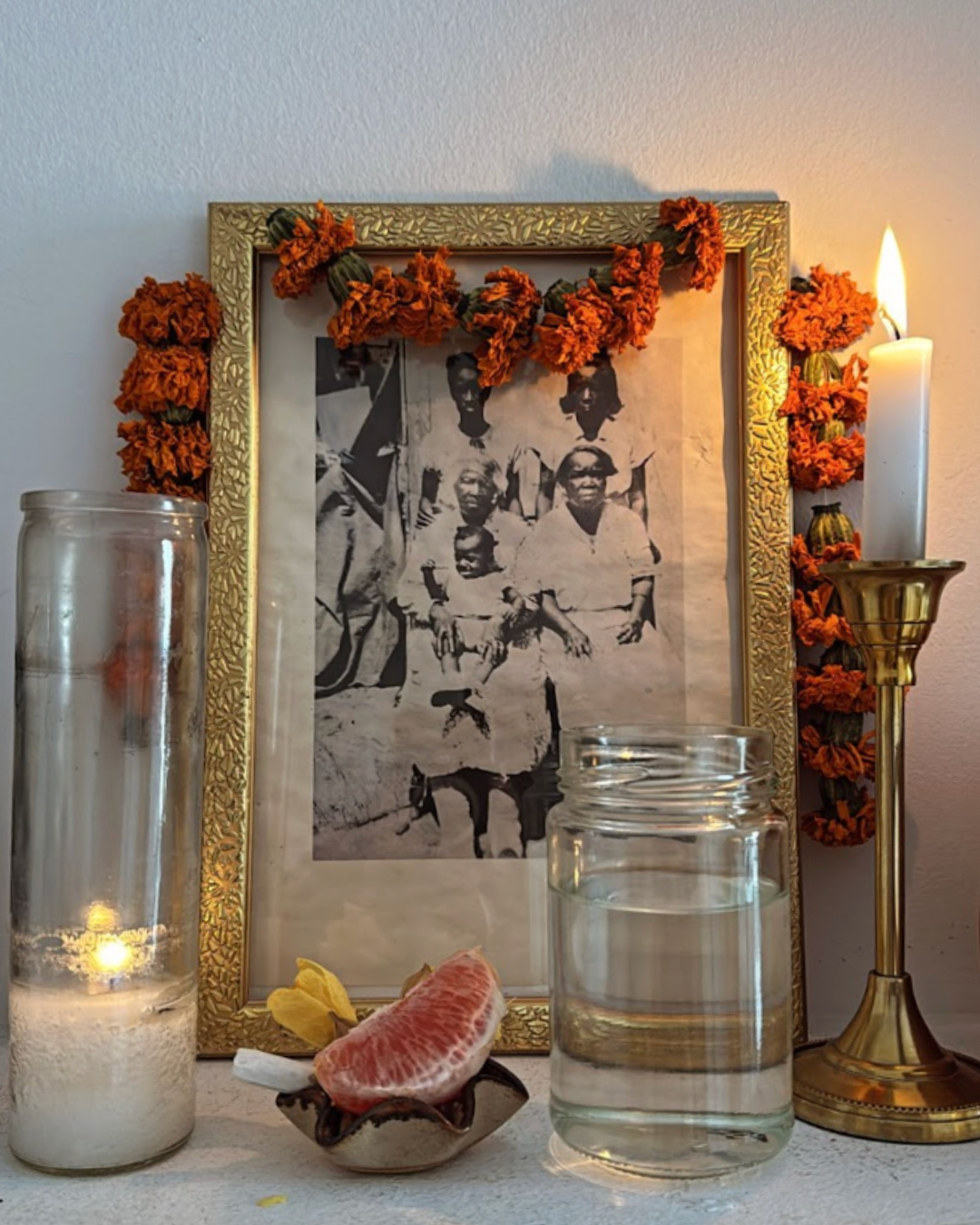
When I began this journey as a Birth Attendant in NYC almost nine years ago, I didn't yet know that birth work ran in my blood – that my great-great-grandmother Susan Summers-Irons had been a Gullah Geechee Grand Midwife in the 1800s, carrying forward ancient traditions of supporting families and welcoming new life into the world. I wouldn't discover until years later that her maiden name, Summers, had been passed down to me as my middle name– an unknown thread of connection that once discovered, opened an ongoing journey of relearning and reclaiming my ancestral ways of birthwork.

Healthy families, supported by mother-centered care, have the power to heal the collective and our Earth. When we honor the sacred moment of first breath – when we remember the ceremony inherent in welcoming new life, we create ripples of healing that extend far beyond the birthing room.
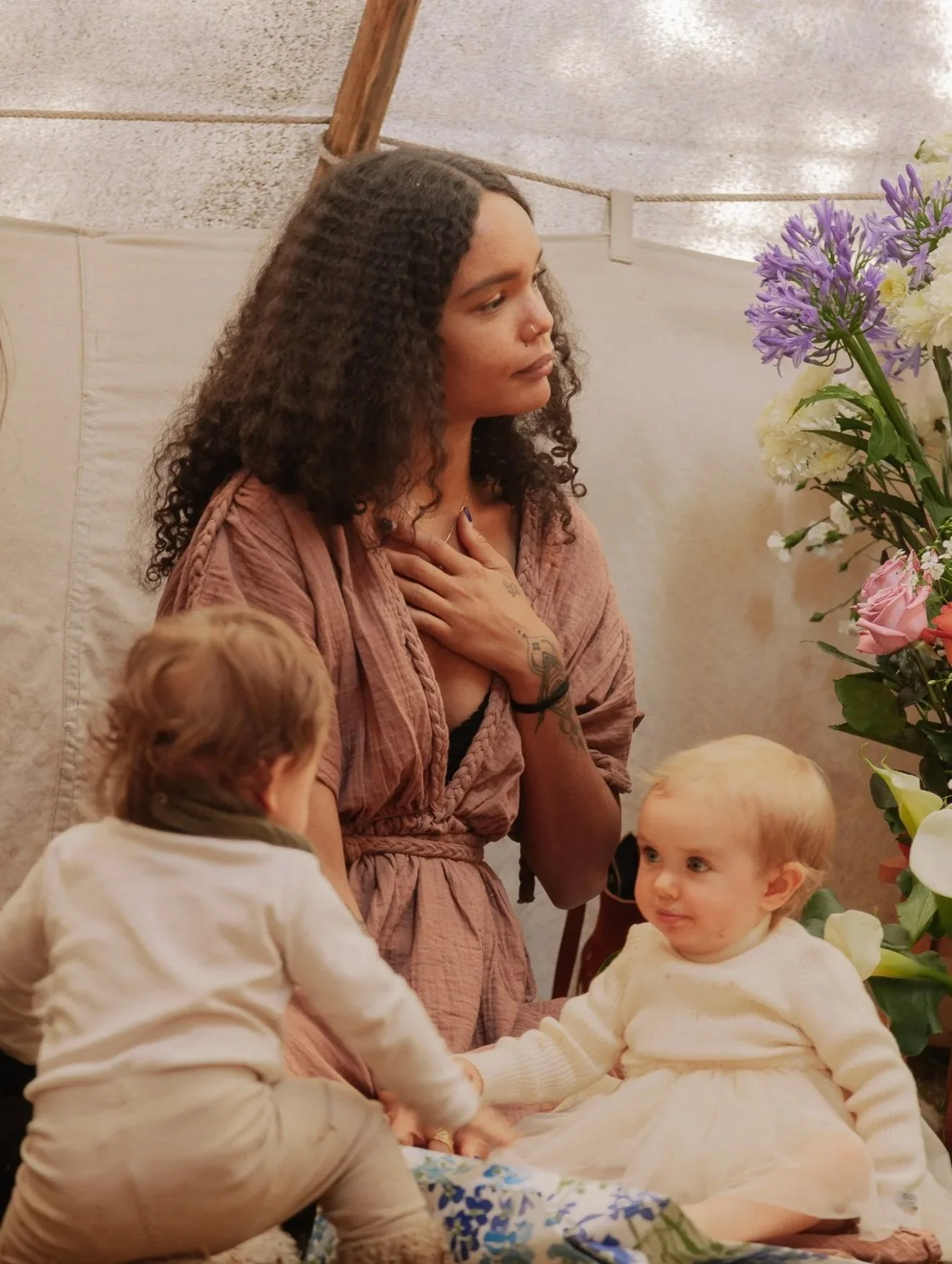
And with this, I trust in presence, in deep listening and invisible witnessing. In knowing when to come close and when to step back. I trust in a simple hand on the back and a small, affirming whisper, a gentle reminder to breathe… and the positive impact of having someone close by who trusts families, trusts birth and is committed to holding the mystery. This is the most impactful, the strongest medicine, the deepest offering one can give and I believe in this above all.
Each birth held in the way of dignity, respect and honoring the family, no matter where – home or hospital, creates a bridge between past and future, honoring those who birthed before us while nurturing new possibilities for those to come. The foundation of my work is rooted in understanding that families have the right to choose the birth that they want, that they have a right to information and education that helps them make informed and authentic decisions about the way they wish to walk this journey and that they have the right to make decisions that align with their values as a whole.
I am still young in this work, still learning with each birth, still sitting at the feet of elders who carry decades of wisdom I'm only beginning to touch. This path of service asks for lifelong devotion and deep humility—and I walk it with reverence for those who came before and those who walk beside me now.
The wisdom of birth hasn't been gone long– just a few generations have passed since we began moving away from our intuitive knowledge and our connection to traditional ways of birthing. I wholeheartedly support the shift that is happening in the world right now, where mothers and families are coming back to these ways and choosing to give birth at home– and birthworkers are creating more spaces for educating, advocating and opening pathways where families can learn about homebirth and ultimately give birth in the safety of their homes. This path has been proven to offer better outcomes to families who feel aligned with low-intervention and undisturbed philosophies of birthing, utilizing westernized medical care systems holistically and only when truly necessary or wanted.
And though there is a lot to be grateful for with new forms of medicine, it is also important to look at the reality of where we are within these systems. NYC is an incredibly progressive city in many ways, however, the story is not the same for maternal health care. Black families especially, face a maternal health crisis that reflects deep structural inequities in how care is accessed, delivered, and whose voices are heard when complications arise. Hiring a birth attendant that understands this and has the tools to advocate in the hospital setting interrupts these patterns directly– and data shows, offers more favorable outcomes to birthing families.
For longer reflections, stories, and birthing shares, you can find more of my writing on Substack.
A space for sharing traditional practices and experiences tending to the family-centered birth and postpartum continuum. As an extension of my practice supporting families through this journey, this publication invites readers into intimate reflections while documenting my path and study as an ever-learning birth attendant. Here, I chronicle my journey and learnings and offer a place where families and birth attendants alike can learn more about my experiences within the birthing space.